Secrets to the Best Lebanese Za'atar Blend: Our Family Recipe Unveiled
In the heart of Middle Eastern cuisine lies a humble yet extraordinarily versatile spice blend known as za'atar. Far more than just a seasoning, it's a staple, a tradition, and for many, a taste of home. While countless variations exist, there's a unique magic to a **traditional Lebanese zaatar blend zaatar**, especially when crafted from a cherished family recipe. This isn't just about mixing herbs; it's about invoking history, connection, and an unparalleled burst of earthy, citrusy, and nutty flavors that transform everyday meals into culinary experiences. Prepare to unlock the secrets to creating a homemade za'atar blend that rivals the best, bringing the authentic taste of Lebanon straight to your kitchen.
Unveiling the Essence of Lebanese Za'atar: More Than Just a Spice
Before diving into the recipe, it’s essential to understand what za'atar truly represents. The term "za'atar" itself holds a dual meaning in Arabic; it refers both to a specific wild herb (often identified as hyssop or wild thyme) and, more commonly, to the revered spice mixture itself. This blend is a cornerstone of Lebanese gastronomy, ingrained in daily life from breakfast tables to celebratory feasts.
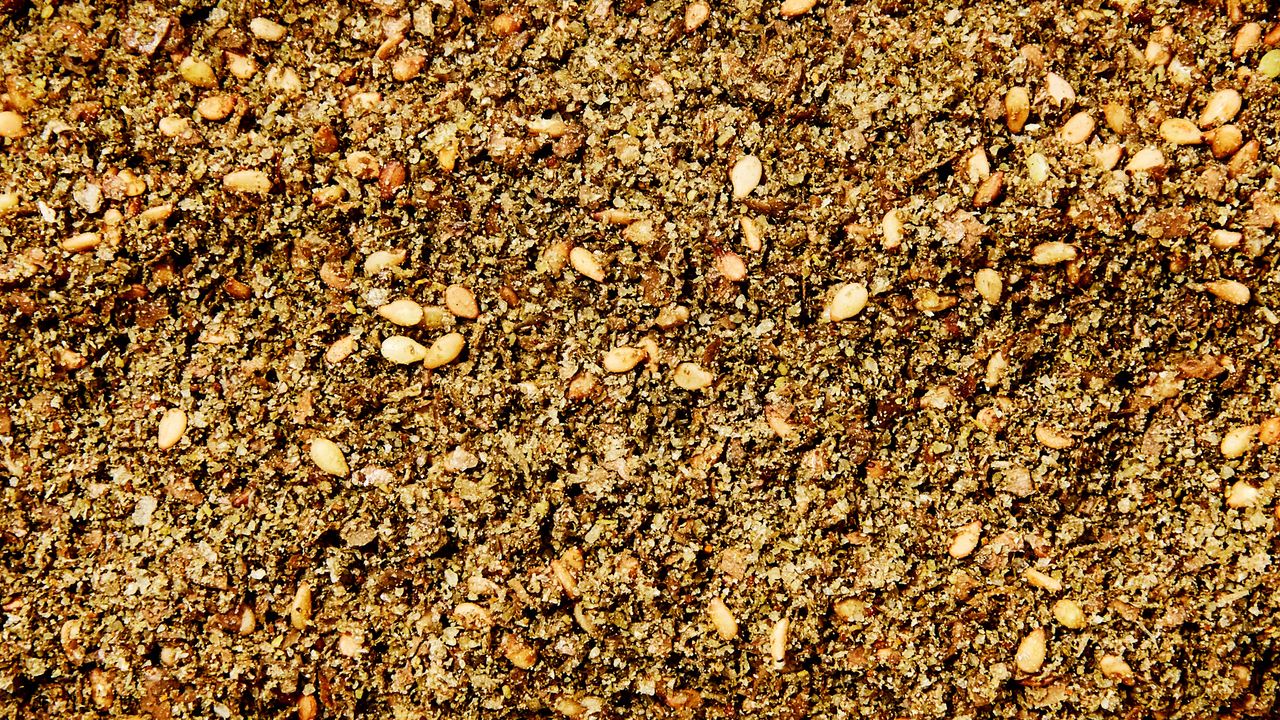
The flavor profile of an authentic Lebanese za'atar is captivatingly complex yet harmonious. It’s characterized by an initial tanginess and bright lemony notes, primarily from the sumac. This is beautifully complemented by the earthy, slightly pungent undertones of dried herbs – traditionally wild thyme or oregano. Finally, a satisfying crunch and depth come from toasted sesame seeds, lending a subtle nuttiness that rounds out the experience. A hint of salt ties all these elements together, enhancing each flavor without overpowering the delicate balance.
While other regions across the Middle East boast their own za'atar variations, often incorporating additional spices, the Lebanese blend is celebrated for its purity and simplicity. It focuses on the core elements, allowing each ingredient to shine. This commitment to fewer, high-quality components is often what discerning palates appreciate most, creating a deeply aromatic and incredibly versatile blend. Pronounced "zaa-tahrr," with a slight roll of the 'r', mastering this blend is a journey into the soul of Lebanese cooking. For a deeper dive into its many facets, you might enjoy reading
Lebanese Za'atar: The Earthy, Citrusy Spice for Any Dish.
The Heart of the Blend: Key Ingredients in a Traditional Lebanese Za'atar
The integrity of your za'atar blend hinges entirely on the quality and balance of its core ingredients. Our family recipe emphasizes these foundational elements, ensuring a taste that is both authentic and unforgettable.
Wild Thyme (Hyssop) or Dried Oregano: The Aromatic Foundation
Traditionally, za'atar was made with *za'atar* the herb – wild hyssop – harvested from the mountainsides. However, for most home cooks outside of the Levant, fresh wild hyssop is virtually impossible to source. This is where dried oregano steps in as an exceptional and widely accepted substitute. My mother, like many who immigrated from Lebanon, found dried oregano to be not only readily available but often preferred due to its softer leaf texture compared to the potentially tougher hyssop. Critically, the taste difference between dried hyssop and high-quality dried oregano is often negligible in the final blend, making oregano a perfectly suitable and delicious choice. We recommend using dried Mediterranean oregano for its robust, earthy flavor.
Sumac: The Tangy, Citrusy Soul
No **traditional Lebanese zaatar blend zaatar** is complete without sumac. This striking reddish-purple spice, derived from dried and ground sumac berries, is the secret behind za'atar's distinctive lemony tartness. It imparts a bright, almost fruity acidity that awakens the palate and adds incredible depth. Sumac is a cornerstone of Middle Eastern cuisine, treasured for its ability to cut through richness and add a refreshing zest. Always seek out vibrant, deep red sumac for the best flavor and visual appeal. If your pantry isn't stocked with quality sumac, it's truly "not right!"
Toasted Sesame Seeds: The Nutty Crunch
The third pillar of our za'atar blend is toasted sesame seeds. These tiny powerhouses contribute a delightful nutty flavor and a crucial textural component to the mix. The act of toasting them intensifies their flavor and makes them more aromatic. This step is non-negotiable for achieving that classic za'atar experience. Make sure to toast them gently until golden brown and fragrant, being careful not to burn them, as this can impart a bitter taste.
A Touch of Salt: The Flavor Enhancer
Finally, a modest amount of salt is added to the blend. Its role is not to make the za'atar salty, but rather to act as a flavor enhancer, subtly bringing out and harmonizing the diverse notes of the herbs, sumac, and sesame. The exact amount can be adjusted to personal preference, but a little goes a long way in elevating the overall profile.
By focusing on these four core ingredients and ensuring their quality, you're well on your way to creating a truly authentic and delicious **traditional Lebanese zaatar blend zaatar** that will become a cherished staple in your home.
Crafting Your Own: The Family Secret to the Best Lebanese Za'atar Blend
Creating your own **traditional Lebanese zaatar blend zaatar** at home is a game-changer. Not only is it significantly cheaper than store-bought versions, but the freshness and vibrant flavor are incomparable. This "family secret" isn't about exotic ingredients, but rather the mindful sourcing, preparation, and careful blending that unlocks za'atar's full potential.
The Power of Proportions: Achieving Balance
While precise measurements can vary slightly, the true "secret" lies in understanding the balance. Our family recipe prioritizes a generous proportion of dried herbs (oregano), a substantial amount of sumac for that characteristic tang, and enough toasted sesame seeds for texture and nutty depth. A good starting point often involves roughly equal parts dried oregano and sumac, with a slightly lesser amount of toasted sesame seeds, and then salt to taste. It's about tasting and adjusting, ensuring no single flavor overpowers the others.
Ingredient Sourcing: Quality Matters
*
Dried Oregano: Look for dried Mediterranean oregano, ideally with visible leaf fragments rather than just a fine powder, indicating better quality and flavor.
*
Sumac: As mentioned, vibrant red sumac indicates freshness and potency. Source it from Middle Eastern specialty stores or reputable online spice purveyors.
*
Sesame Seeds: Plain white sesame seeds are ideal for toasting.
*
Salt: Fine sea salt or kosher salt works well.
The Simple Steps to Blending Perfection
1.
Toast the Sesame Seeds: This is a crucial step for maximizing flavor. In a dry skillet over medium-low heat, gently toast your sesame seeds, stirring constantly, until they turn a light golden brown and become fragrant. This usually takes 3-5 minutes. Watch them carefully as they can burn quickly. Once toasted, immediately remove them from the hot pan and let them cool completely on a plate.
2.
Combine the Dry Ingredients: In a medium-sized bowl, combine the cooled toasted sesame seeds, dried oregano, sumac, and salt.
3.
Mix Thoroughly: Using a spoon or your hands, gently but thoroughly mix all the ingredients. The goal is to ensure an even distribution of each component, so every spoonful of your za'atar delivers a balanced flavor profile.
4.
Taste and Adjust: Take a small pinch and taste. Does it need more tang? Add a little more sumac. Could it use a bit more salt to brighten the flavors? Adjust as needed. This personal touch is what truly makes it *your* family recipe.
By following these steps, you'll create a homemade **traditional Lebanese zaatar blend zaatar** that far surpasses anything you can buy in a jar. The fresh aroma that fills your kitchen during this process is just the beginning of the sensory journey! For a more detailed guide on the blending process, you might find valuable insights in
Master Authentic Lebanese Za'atar: Your Homemade Blend Guide.
Beyond the Blend: Culinary Adventures with Your Homemade Za'atar
Once you have your fresh batch of homemade **traditional Lebanese zaatar blend zaatar**, a world of culinary possibilities opens up. Its incredible versatility makes it a perfect companion for countless dishes, extending far beyond traditional Middle Eastern fare.
Breakfast Staples: The Lebanese Way
The most classic application is for breakfast. Mix your za'atar generously with good quality extra virgin olive oil to form a paste. Spread this vibrant mixture over flatbreads like saj or pita to make *manakeesh*, a beloved Lebanese breakfast. You can also simply smear it onto toast, perhaps topped with fresh tomatoes, cucumbers, and mint for a refreshing start to the day. Keeping a ready-made jar of za'atar blended with olive oil in your pantry is a fantastic hack for quick, delicious meals.
Elevating Everyday Meals
*
Salads: Sprinkle za'atar over fresh green salads, or whisk it into vinaigrettes for an added lemony, earthy kick.
*
Roasted Vegetables: Toss potatoes, cauliflower, zucchini, or carrots with olive oil and a generous dusting of za'atar before roasting. The flavors caramelize beautifully, creating an irresistible side dish. Roasted za'atar potatoes are a particular favorite.
*
Marinades and Rubs: Use za'atar as a dry rub for chicken, fish, or lamb before grilling or baking. It imparts a unique Mediterranean flavor that is both savory and bright.
*
Dips and Spreads: Stir it into hummus, labneh (strained yogurt), or plain yogurt for a flavorful dip. It’s also excellent sprinkled over feta cheese.
*
Creative Uses: Don't limit yourself! Try sprinkling za'atar over popcorn for an unexpected gourmet snack, stir it into scrambled eggs, or even incorporate it into bread dough for an aromatic twist. It also works wonderfully in savory pastries like za'atar puff pastry pinwheels.
Storage Tips for Lasting Freshness
To maintain the potent flavor and aroma of your homemade za'atar, store it in an airtight container in a cool, dark place. Kept properly, it will retain its freshness for many months. If you pre-mix a portion with olive oil, store that blend in a sealed jar in the pantry as well, ready for immediate use.
Conclusion
Embracing the art of making your own **traditional Lebanese zaatar blend zaatar** is more than just a cooking endeavor; it's an invitation to connect with a rich culinary heritage. From the carefully chosen ingredients to the simple act of blending, each step imbues your za'atar with a freshness and vibrancy that store-bought versions can rarely match. This family recipe offers not just a spice, but a passport to countless delicious meals, transforming the ordinary into the extraordinary. We encourage you to make this aromatic blend a staple in your kitchen, experiment with its versatility, and savor the authentic taste of Lebanon that it brings to every dish. You'll soon find, as we have, that once you've made your own, there's simply no going back.