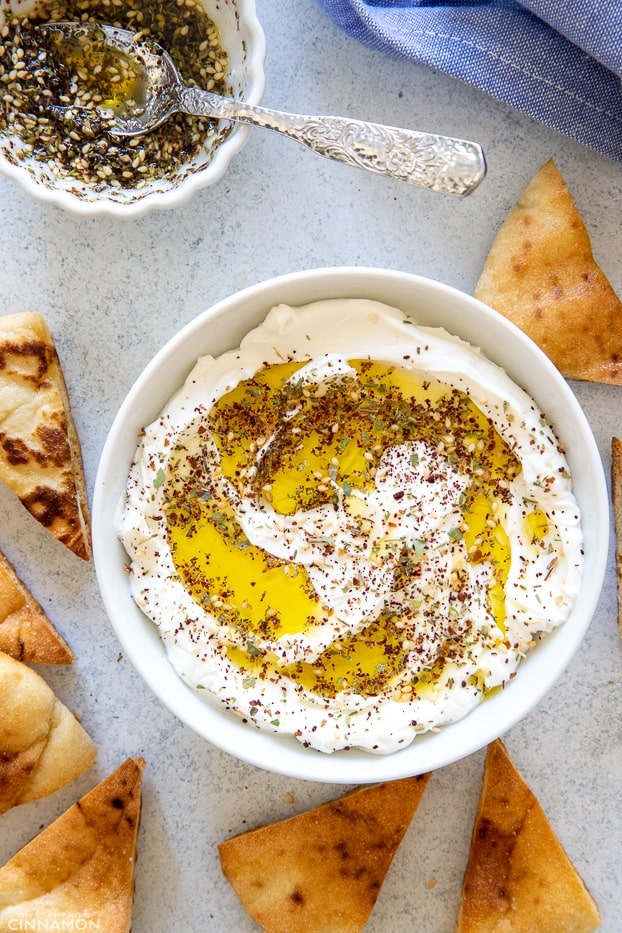
The culinary world is a tapestry of vibrant flavors, and few spice blends capture the essence of a region quite like za'atar. This ancient, aromatic mix is a cornerstone of Middle Eastern cuisine, particularly in Lebanon, where its earthy, tangy, and nutty profile is woven into daily life. If you've ever savored the distinctive taste of a za'atar-dusted flatbread or a salad brightened by its presence, you know its undeniable allure. While store-bought versions are readily available, there's an unparalleled satisfaction and superior flavor that comes from crafting your very own traditional Lebanese za'atar blend at home.
Embarking on this journey to create your homemade za'atar isn't just about saving money; it's about connecting with a rich culinary tradition, customizing the blend to your exact preferences, and ensuring the freshest, most authentic taste. This guide will walk you through the secrets to mastering an authentic Lebanese za'atar, transforming your kitchen into a hub of Middle Eastern aromas and enriching your meals with this incredibly versatile spice.
The Essence of Za'atar: More Than Just a Spice Blend
In Arabic, "za'atar" literally refers to the wild thyme herb (hyssop), a plant native to the Levant. However, its most common contemporary usage refers to the beloved spice blend itself. This duality highlights the deep connection between the foundational herb and the mix it inspires. While za'atar blends are celebrated across the Middle East, each region often boasts its unique interpretation, sometimes incorporating additional spices like cumin or coriander. Yet, for many, the Lebanese version holds a special place, celebrated for its perfect balance and unparalleled versatility.
The Lebanese distinction lies in its elegant simplicity and the harmonious interplay of its core components. It’s a blend that eschews complexity for purity, focusing on highlighting the distinct qualities of its few, yet powerful, ingredients. This careful curation results in a spice that’s both comforting and invigorating, capable of elevating everything from a humble breakfast to an elaborate dinner. Its profile is characterized by an initial burst of tangy citrus, a deep earthy herbal core, and a delightful nutty finish, making it truly unforgettable. For a deeper dive into its many facets, explore Lebanese Za'atar: The Earthy, Citrusy Spice for Any Dish.
Unveiling the Key Ingredients for Your Authentic Blend
To create a truly authentic traditional Lebanese za'atar blend, understanding the role of each ingredient is paramount. These aren't just components; they are the pillars upon which the blend's distinct character is built.
Oregano (or Hyssop): The Aromatic Heart
Traditionally, the wild thyme or hyssop is the soul of za'atar. However, for those of us living outside the Levant, fresh hyssop can be incredibly difficult to source. This is where dried oregano steps in as a phenomenal and widely accepted substitute. Many Lebanese households, even within Lebanon, opt for oregano due to its availability and the softer texture of its leaves compared to the potentially tougher hyssop. Moreover, the flavor difference between the two, especially when dried and blended, is often negligible to the average palate. Dried oregano imparts that essential earthy, slightly peppery, and intensely aromatic foundation that is critical to any genuine za'atar. If you have access to fresh oregano, drying it yourself can add an extra layer of freshness to your homemade blend.
Sumac: The Tangy Red Jewel
Sumac is the vibrant red spice responsible for za'atar's signature lemony brightness and delightful tang. Derived from the dried and ground berries of the sumac bush, it offers a sour, fruity counterpoint to the earthiness of the herbs. Its presence is unmistakable and utterly indispensable in a traditional Lebanese za'atar blend. A good quality sumac will have a deep red hue and a robust, tart flavor that evokes lemon zest without the actual fruit. It's not just a flavor enhancer; it's a critical component that brightens and balances the entire blend, making every bite sing with zesty undertones.
Sesame Seeds: The Nutty Crunch
Sesame seeds contribute both a delicate nutty flavor and a pleasing textural element to the blend. While some recipes might call for raw sesame seeds, lightly toasting them before blending unlocks their full aromatic potential, deepening their nutty notes. This simple step adds another layer of complexity, transforming the flavor from merely a seed to a rich, toasted essence that rounds out the za'atar's profile. The slight crunch they provide also adds a satisfying mouthfeel, making the blend more dynamic and engaging.
A Pinch of Salt
Often overlooked but crucial, salt acts as a natural flavor amplifier. It brings all the individual elements of the blend into harmony, enhancing the earthiness of the oregano, sharpening the tang of the sumac, and highlighting the nuttiness of the sesame seeds. Use a good quality fine sea salt or kosher salt to ensure even distribution throughout your homemade za'atar.
Crafting Your Own Traditional Lebanese Za'atar Blend: A Step-by-Step Guide
Making your own traditional Lebanese za'atar blend is surprisingly simple, yet incredibly rewarding. The key is to source high-quality ingredients and follow a few straightforward steps.
Gathering Your Ingredients:
- Dried Oregano: 1/2 cup (or dried hyssop if available)
- Sumac: 1/4 cup (ensure it's fresh and vibrant)
- Sesame Seeds: 1/4 cup (preferably toasted)
- Salt: 1-2 teaspoons, to taste (fine sea salt recommended)
These ratios provide a classic starting point, but feel free to adjust to your personal preference. Some prefer more sumac for extra tang, while others might lean towards a higher proportion of herbs.
The Blending Process:
- Toast Sesame Seeds (if not pre-toasted): If using raw sesame seeds, gently toast them in a dry pan over medium-low heat for 3-5 minutes, stirring constantly, until lightly golden and fragrant. Be careful not to burn them, as this will result in a bitter taste. Let them cool completely.
- Combine Ingredients: In a medium bowl, combine the dried oregano, sumac, toasted sesame seeds, and salt.
- Mix Thoroughly: Using a spoon or your hands (ensure they are clean and dry), gently mix all the ingredients together. You want to ensure an even distribution of each component. Avoid over-grinding or pulverizing the blend, as the distinct textures of the sesame seeds and herb flakes are part of the za'atar experience.
- Taste and Adjust: Take a small pinch and taste it. Does it need more tang? Add a little more sumac. Prefer it saltier? Add a tiny bit more salt. This is your chance to fine-tune the blend to perfection.
Janelle's Tips for Za'atar Success:
- Optimal Storage: Once blended, transfer your homemade za'atar to an airtight container, such as a glass jar with a tight-fitting lid. Store it in a cool, dark pantry away from direct sunlight and heat. Stored properly, your za'atar will retain its potency and flavor for several months.
- The Pre-Mixed Oil Hack: For ultimate convenience, consider keeping a small jar of za'atar pre-mixed with extra virgin olive oil in your pantry. This way, whenever the craving strikes, you have an instant spread ready for toast, pita, or drizzling over salads. It’s a game-changer for busy mornings!
- Freshness Factor: The beauty of homemade za'atar lies in the freshness of its components. Unlike some commercial blends that might contain fillers or sit on shelves for extended periods, your homemade version will be vibrant and full of life. This freshness translates directly into superior flavor.
- Cost-Effectiveness: While individual spices might seem like an initial investment, making your own za'atar is generally far more economical in the long run than repeatedly buying pre-made blends, especially considering the quality you achieve.
Beyond the Blend: Culinary Uses and Inspiration
Your freshly made traditional Lebanese za'atar blend is now ready to transform countless dishes. Its versatility is truly remarkable, making it a beloved staple in Lebanese kitchens and beyond.
Breakfast Staple:
One of the most iconic ways to enjoy za'atar is for breakfast. Mix it liberally with good quality extra virgin olive oil and spread it generously over warm homemade manakeesh dough, pita bread, or even simple toast. The combination of the tangy za'atar oil and soft bread, often accompanied by fresh tomatoes, cucumbers, and mint, is a quintessential Lebanese morning ritual. It's a flavor explosion that perfectly sets the tone for the day.
Versatile Enhancer:
- Salads: Sprinkle za'atar over fresh green salads, chopped vegetables, or even a simple tomato and cucumber salad for an instant flavor boost.
- Roasted Vegetables: Toss potatoes, carrots, cauliflower, or zucchini with olive oil and za'atar before roasting for an aromatic and flavorful side dish. Imagine the delight of roasted za'atar potatoes!
- Meats and Poultry: Use it as a dry rub or part of a marinade for chicken, lamb, or fish. The herbs and sumac infuse the protein with incredible depth.
- Dips and Spreads: Stir za'atar into creamy labneh (strained yogurt), hummus, or even cream cheese for a distinctive dip or spread.
- Baked Goods: Experiment with incorporating za'atar into savory pastries, such as za'atar puff pastry pinwheels, or even sprinkled on focaccia before baking.
- Eggs: A dash of za'atar over scrambled eggs or an omelet adds an unexpected, delightful twist.
The flavor profile of za'atar intensifies slightly when cooked, releasing its deeper earthy notes while retaining that signature tang. Whether used raw as a finishing spice or cooked into a dish, its unique blend of tangy, sour, nutty, and earthy flavors promises a lively and memorable culinary experience.
Mastering your own traditional Lebanese za'atar blend is more than just learning a recipe; it's an embrace of a rich cultural heritage and a testament to the power of simple, high-quality ingredients. The deep satisfaction of creating this versatile spice from scratch, knowing every component is fresh and carefully selected, is truly unmatched. So, gather your ingredients, follow these steps, and prepare to infuse your meals with the authentic, vibrant taste of Lebanon. Your kitchen (and your palate) will thank you for it!
