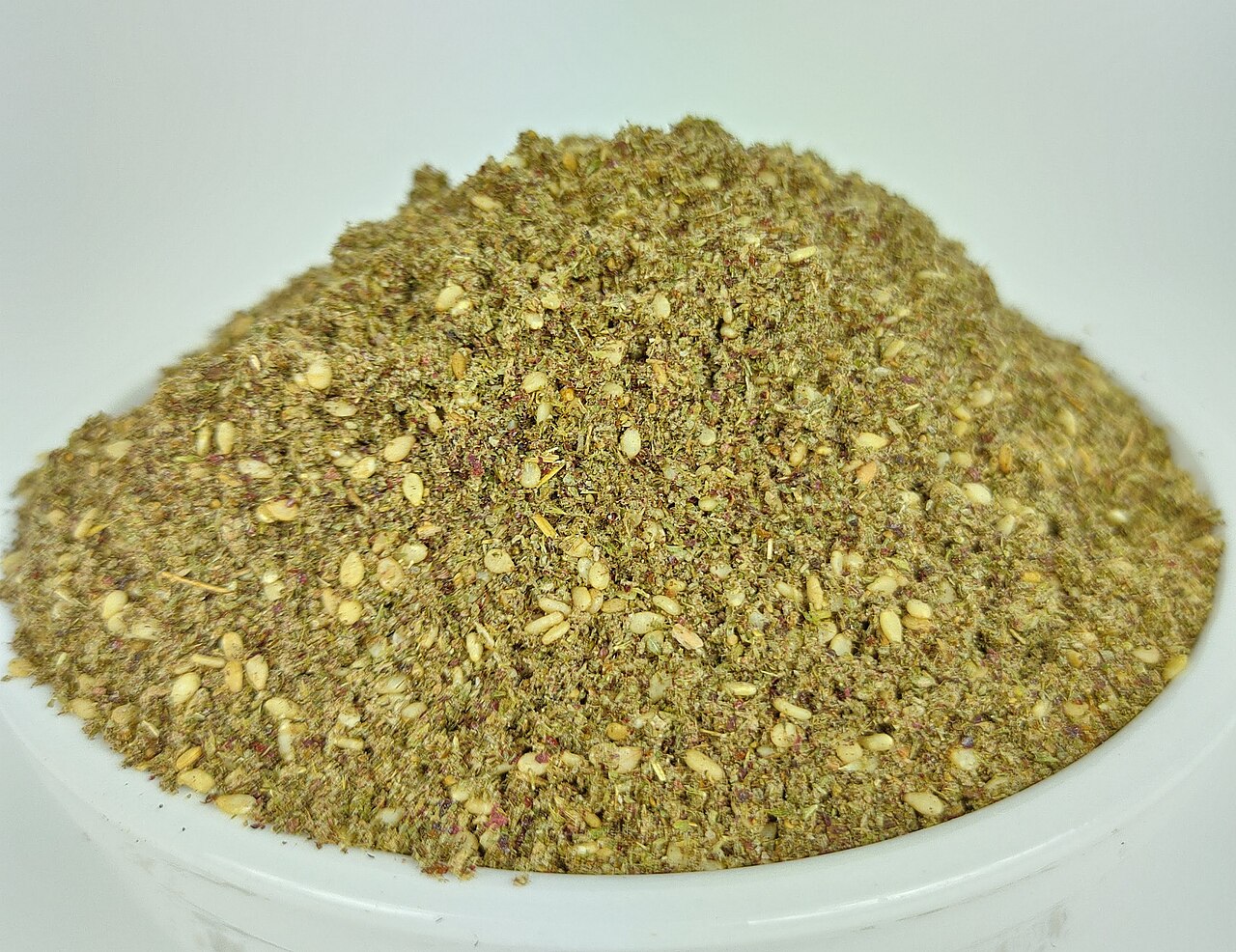
In the vibrant tapestry of Middle Eastern cuisine, few spice blends hold as much reverence and universal appeal as Za'atar. But among its many regional variations, the traditional Lebanese Za'atar blend stands out as a true culinary gem. It's not just an ingredient; it's a cornerstone of Lebanese identity, a flavor that evokes warmth, tradition, and the rich bounty of the earth. From bustling Beirut bakeries to tranquil village kitchens, this aromatic mix is a daily staple, transforming simple dishes into extraordinary experiences with its earthy, citrusy, and subtly nutty essence.
This article dives deep into the heart of Lebanese Za'atar, exploring its unique composition, unparalleled versatility, and why mastering this blend, especially a homemade version, is a game-changer for any food enthusiast. Prepare to embark on a flavorful journey that will undoubtedly make this exquisite spice a staple in your own kitchen.
Unveiling the Essence of Lebanese Za'atar
To truly appreciate Za'atar, it's important to understand its dual identity. In Arabic, "Za'atar" refers both to a wild herb, commonly identified as hyssop or wild thyme, and to the beloved spice blend itself. While regional Za'atar blends across the Middle East vary widely – some incorporating additional spices like cumin or coriander – the Lebanese iteration is celebrated for its purity and balanced profile, earning its reputation as the quintessential traditional Lebanese Za'atar blend.
What sets the Lebanese blend apart is its elegant simplicity. It typically relies on a core quartet of ingredients: dried herbs (most often oregano or wild thyme), ground sumac, toasted sesame seeds, and a touch of salt. This precise combination creates a symphony of flavors that is both distinctive and incredibly adaptable. It's a blend that effortlessly elevates everything from a humble slice of bread to a gourmet main course, embodying the rich culinary heritage of Lebanon.
The Signature Flavor Profile: A Dance of Tastes
Imagine a burst of flavor that is simultaneously tangy, savory, and wonderfully aromatic. That's the essence of Lebanese Za'atar. The sumac, a deep red spice derived from dried berries, is the secret behind its characteristic lemony brightness and delightful sourness. It provides that invigorating zest that cuts through richness and awakens the palate. Complementing this is the earthy, slightly peppery foundation provided by the dried oregano or thyme, grounding the blend with a robust, herbaceous depth. Finally, the toasted sesame seeds introduce a delicate nutty crunch and a subtle sweetness that rounds out the entire profile, making each bite a complex yet harmonious experience.
Crafting Your Authentic Lebanese Za'atar Blend
The beauty of a truly authentic traditional Lebanese Za'atar blend lies not just in its ingredients but in their quality and balance. While the core components remain consistent, knowing a little more about each can help you appreciate and even craft your own superior blend.
Key Ingredients Demystified
- Dried Oregano or Wild Thyme (Hyssop): Historically, wild hyssop was the traditional herb. However, due to its limited availability and tougher texture, many Lebanese families, especially those living abroad, have adopted dried oregano as an excellent and often preferred substitute. Oregano offers a softer leaf and a readily available, vibrant herbaceous note that is very close in flavor. Both work beautifully, so the choice often comes down to what's accessible and personal preference.
- Sumac: This deep red, tangy spice is non-negotiable. Its sour, slightly fruity flavor is what gives Za'atar its signature bright, lemony kick. Ensure you source high-quality sumac for the best results.
- Toasted Sesame Seeds: These provide a delightful nutty flavor and a crucial textural component. Toasting them lightly before blending unlocks their full aromatic potential and enhances their richness.
- Salt: A touch of salt is essential to balance and enhance all the other flavors, bringing them into perfect harmony.
The Homemade Advantage: Taste the Difference
While store-bought Za'atar is widely available, there’s an undeniable magic to a homemade blend. Not only is it often more cost-effective, but it also guarantees unparalleled freshness and allows you to tailor the ratios to your personal taste. Imagine the vibrant aroma filling your kitchen as you mix your own batch – it’s an experience that truly connects you to the culinary heritage of Lebanon. For a detailed guide on creating your own perfect blend, look no further than Master Authentic Lebanese Za'atar: Your Homemade Blend Guide.
Making your own Za'atar from scratch means you control the quality of each ingredient, from the crispness of the sesame seeds to the pungency of the oregano. This attention to detail results in a blend that far surpasses commercial versions, offering a depth of flavor that is simply irresistible. Once you've experienced homemade Za'atar, it's hard to go back.
Beyond Breakfast: Culinary Wonders with Za'atar
The versatility of Lebanese Za'atar is truly remarkable, making it far more than just a breakfast item. While its classic pairing with olive oil and fresh bread is legendary, its applications extend across all meals and cuisines, proving its indispensable role in the kitchen.
A Versatile Kitchen Staple
- The Iconic Breakfast: Perhaps the most famous use, Za'atar mixed with extra virgin olive oil and spread on traditional saj bread (manakeesh) or even regular toast, is a beloved Lebanese breakfast. The combination of earthy spice, fruity oil, and warm bread is simple perfection, often served with fresh vegetables like tomatoes, cucumbers, and mint. Many families even keep a pre-mixed jar of Za'atar and olive oil handy for quick, delicious toast.
- Elevating Salads: A generous sprinkle of Za'atar can transform any salad, adding a burst of tangy, herbaceous flavor. It's particularly good on cucumber and tomato salads, or even mixed into a vinaigrette.
- Roasting Vegetables: Toss potatoes, carrots, zucchini, or cauliflower with olive oil and Za'atar before roasting for a deeply flavorful side dish. The heat of the oven helps to intensify the spice's aroma, creating a truly irresistible dish, as exemplified by delicious roasted Za'atar potatoes.
- Seasoning Meats and Fish: Use Za'atar as a rub for chicken, lamb, or fish before grilling, baking, or pan-frying. It imparts a unique Middle Eastern flair that complements both white and red meats beautifully.
- Enhancing Dips and Spreads: Stir Za'atar into hummus, labneh (strained yogurt), or even cream cheese for an instant flavor upgrade. It also makes a fantastic topping for scrambled eggs or avocado toast.
- Baking Adventures: Beyond manakeesh, Za'atar shines in various baked goods. Try incorporating it into savory pastries, breadsticks, or even delicious Za'atar puff pastry pinwheels. If you're looking to dive into the family traditions of Lebanese baking with Za'atar, explore Secrets to the Best Lebanese Za'atar Blend: Family Recipe.
Creative Pairings & Tips
Don't be afraid to experiment! Za'atar's robust flavor profile makes it an excellent addition to almost anything that needs a touch of brightness and earthiness. Consider sprinkling it over feta cheese, mixing it into a marinade for grilled vegetables, or even adding it to a homemade pizza instead of oregano. The slightly elevated flavors when cooked make it a fantastic choice for dishes that require some heat.
Tips for Storage and Enjoyment
To ensure your homemade or store-bought Za'atar retains its vibrant flavor and aroma, proper storage is key. Always keep your blend in an airtight container, away from direct sunlight and heat. Stored in a cool, dark pantry, your Za'atar can maintain its quality for many months, ready to be deployed at a moment's notice.
Za'atar Pronunciation & Cultural Touch
For those curious about its pronunciation, Za'atar is typically pronounced "zaa·tahrr," with a soft, rolled 'r' sound. More than just a spice, Za'atar is deeply intertwined with Lebanese culture, often evoking memories of childhood, family gatherings, and the comforting flavors of home. It's a testament to simple ingredients coming together to create something profoundly impactful, symbolizing hospitality and nourishment.
The journey into the world of Lebanese Za'atar is an invitation to explore a rich culinary heritage and discover a flavor profile that is both ancient and universally appealing. This traditional Lebanese Za'atar blend is far more than just a mix of herbs and seeds; it's a testament to the power of simple, high-quality ingredients to transform everyday meals into memorable experiences. Whether you're making your own batch from scratch or simply seeking to incorporate more authentic flavors into your cooking, Za'atar promises a vibrant, earthy, and citrusy adventure for your taste buds. Embrace this extraordinary spice, and let it infuse your kitchen with the warmth and essence of Lebanon.
